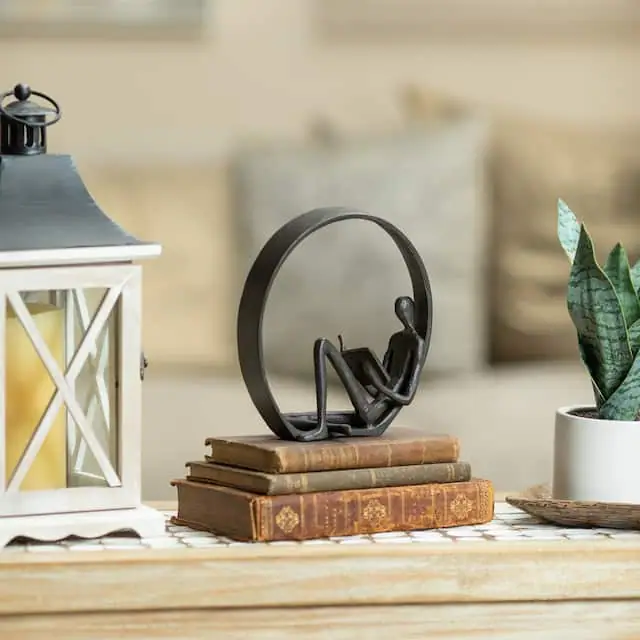
Begin with traceable product information
A useful assessment starts with the identity of the product and the information supplied about it. We retain the source name, product reference and the date of collection when available. The basic questions are practical: what is it made from, how large is it, where is it intended to be used and what care does it require? If the source does not provide an answer, that point remains unconfirmed.
Distinguish facts from judgment
Published dimensions and materials are different from an editorial opinion about proportion, styling or likely convenience. We label the work as an editorial assessment when it is based on published information. We do not present photographs or supplier descriptions as evidence that we personally handled, tested or used an item. A first-hand test would require a documented method and actual observations, including the limits of those observations.
Use criteria that fit the category
For vases, we consider the opening, footprint and intended water use. For wall decor, mounting information and weight matter. For garden ornaments, the location and maintenance guidance need attention. A single generic score cannot resolve all these questions. Our category notes explain possible strengths and questions to confirm; they are a buying framework, not proof that every product in a material category performs the same way.
Handle prices and offers carefully
- A recorded price is a dated observation, not a promise of availability.
- Currency, quantity, variants and delivery charges can change the comparison.
- A factory quotation requires agreement on the actual specification and terms.
- Any enabled commercial referral should be clearly disclosed.
- User submissions and comments are moderated before publication.
Leave room for a better decision
Use the assessment to create a shortlist and identify questions for the seller or sourcing team. Ask for a sample, additional photographs or clear care instructions when they could change the decision. An inquiry sent through Hunxia records your requirements for follow-up; it is not a purchase or a confirmed quotation. If information changes or an error is found, the product record should be corrected with its source and review date. Transparency about uncertainty makes the comparison more useful than an unsupported claim of certainty.
Community comments 0
Be the first to share a considered opinion about this piece.